
The Best Restaurants in Chinatown, Boston, Massachusetts
5 min read
Quick Overview
- Prep time
- Research time
- Cook time
- Meal length
- Total time
- Half a day
- Servings
- 1-6 diners
- Difficulty
- Easy to plan
- Cuisine
- Chinese-American dining
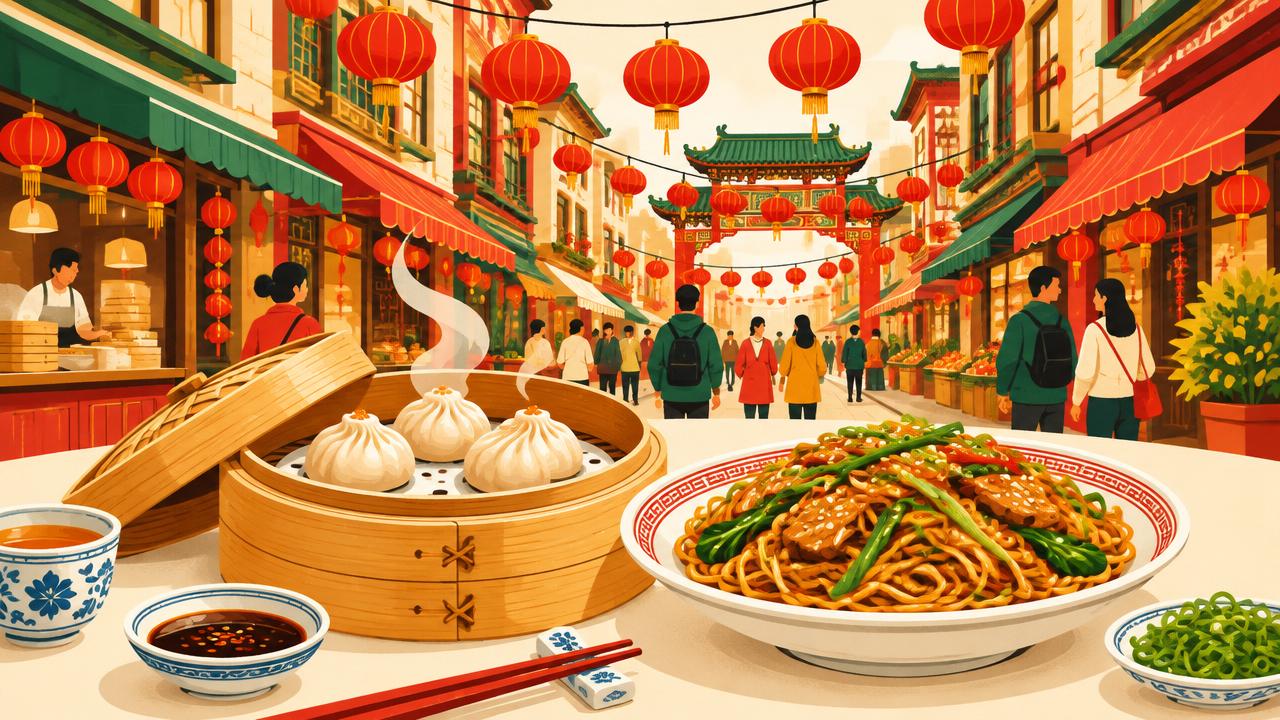
Boston's Chinatown is one of the oldest and most concentrated Chinese American neighborhoods in the country, and it packs a genuinely impressive range of regional Chinese cooking into just a handful of blocks. Anchored by the ornamental gate at Beach Street and stretching toward Kneeland Street and Harrison Avenue, the neighborhood rewards visitors who come hungry and willing to wander a little. This is not a place where you need a reservation at a single marquee restaurant; it's a place where the fun is in comparing a few different specialties in one visit.
The neighborhood's roots go back to the late 1800s, when Chinese immigrants, many originally recruited for railroad and shoe-factory work, settled in the area and built a self-sufficient community of grocers, laundries, and restaurants. That history still shows up on the plate. You'll find old-school Cantonese roast meat shops next to newer Sichuan and Shanghainese kitchens, along with a wave of Hong Kong-style cafes and hot pot spots that have opened in the last two decades. It's a living neighborhood, not a museum, and the restaurant scene reflects successive waves of immigration from different regions of China and beyond.
Chef's Notes / Key Takeaways
- ▸Boston's Chinatown is small but dense, so most restaurants worth trying sit within easy walking distance of each other.
- ▸Dumpling houses, hot pot restaurants, and Hong Kong-style cafes each occupy a distinct niche, so decide what you're craving before you go.
- ▸Weekend dim sum draws crowds, so arrive early or expect a wait at the larger banquet-style halls.
- ▸Cash and modest storefronts are common at the neighborhood's most old-school spots, so bring a card as backup and keep expectations about decor realistic.
- ▸Always check current hours and prices online before heading over, since small restaurants change schedules often.
Dim Sum and Banquet-Style Halls
If you're new to the neighborhood, a dim sum brunch is a great entry point. Several large, banquet-style dining rooms serve carts or order-sheet dim sum on weekends, with steamer baskets of shrimp dumplings, pork buns, rice noodle rolls, and chicken feet circulating table to table. These rooms tend to be big, loud, and family-oriented, which is part of the charm. Expect a wait if you show up after noon on a Saturday or Sunday, since local families treat this as a weekly ritual.
Because dim sum is meant to be shared, it's worth coming with at least three or four people so you can sample widely without over-ordering. If you're dining solo or as a couple, a smaller dim sum counter or a bakery case with grab-and-go items can be a more practical option than a full banquet hall.
Dumplings, Noodles, and Regional Specialties
Beyond dim sum, Chinatown's dumpling houses are some of the neighborhood's most beloved spots. Look for Shanghainese-style xiao long bao, the delicate soup dumplings that require a careful bite to avoid a lap full of broth, as well as pan-fried pork dumplings and wonton soup at more casual counters. Northern Chinese noodle shops, meanwhile, specialize in hand-pulled or knife-cut noodles, often served in a rich beef or lamb broth with chili oil on the side.
Sichuan restaurants have also carved out a strong presence, with dry pot dishes, mapo tofu, and dan dan noodles that bring real heat and numbing Sichuan peppercorn alongside it. If you like your food spicy, ask staff how hot a dish runs before ordering, since spice levels can vary widely from kitchen to kitchen.
Hot Pot for a Group
Hot pot restaurants have become a Chinatown staple, especially for larger groups looking for a communal, DIY dinner. Diners choose a broth base, sometimes split between mild and spicy in a divided pot, then cook thinly sliced meats, seafood, tofu, and vegetables tableside. It's a slower meal by design, so plan for at least ninety minutes and go in with an appetite. Hot pot is best enjoyed as a social occasion rather than a quick bite, so save it for a night when you're not in a rush.
Hong Kong-Style Cafes and Bakeries
Another distinct thread in the neighborhood's food scene is the Hong Kong-style cafe, sometimes called a cha chaan teng. These spots serve a comfort-food hybrid menu that might include baked pork chop rice, borscht soup, French toast, and milk tea, reflecting Hong Kong's own mix of Cantonese and Western influences. They're often open late, making them a good option if you're wrapping up a night out and want something warm and filling.
Bakeries near Beach Street round out the picture, with egg tarts, pineapple buns, and barbecue pork buns sold fresh throughout the day. These are easy, inexpensive stops to fold into a longer walk through the neighborhood, and they're a good way to sample the area even if you don't have time for a full meal.
Chinatown rewards curiosity more than planning; the best meals often come from ducking into whichever storefront has a line of regulars out front.
Planning Your Visit
Because Chinatown is compact, it's realistic to sample two or three different restaurants in a single outing, especially if you're splitting a dim sum brunch, a noodle lunch, and a bakery stop across a few hours. Parking in the neighborhood can be tight, so many visitors take public transit and walk from there. Note that some of the most old-school spots still run cash-only or have minimum card charges, so it helps to carry a bit of cash as backup.
| Craving | Where to Look | Best Time to Go |
|---|---|---|
| Dim sum | Large banquet-style halls | Weekend mornings, before noon |
| Soup dumplings | Shanghainese dumpling houses | Lunch or early dinner |
| Hand-pulled noodles | Northern Chinese noodle shops | Any weekday for a quick meal |
| Hot pot | Dedicated hot pot restaurants | Evening, with a group |
| Late-night comfort food | Hong Kong-style cafes | After 9pm |
| Bakery treats | Storefronts near Beach Street | Anytime, for a quick stop |
As with any dense restaurant neighborhood, things change: menus get updated, hours shift seasonally, and a few spots may be closed on random weekdays. It's always worth a quick search or a call ahead if you have your heart set on a specific dish, and it's worth building some flexibility into your plans in case your first choice has a line out the door. That flexibility is really the whole spirit of eating in Chinatown, since half the fun is discovering a new favorite you didn't know to look for.
Whether you're after a big group hot pot dinner, a quiet bowl of noodles, or just an egg tart to eat on a bench near the gate, Boston's Chinatown delivers a range of Chinese regional cooking that's hard to match anywhere else in New England. Go with an open mind, bring a friend or two to share plates with, and don't be afraid to ask the staff what they'd recommend.
Related recipes
- Top Chinese Restaurants at Stoneridge Mall
Stoneridge Shopping Center in Pleasanton isn't primarily known for its Chinese food, but the surrounding Tri-Valley area, including nearby Dublin and San Ramon, has plenty to offer. Here's how to plan a visit that pairs a mall trip with a genuinely good Chinese meal.
- Top Chinese Restaurants in Houston, Texas
Houston's Chinese food scene is one of the strongest in the country, anchored by the sprawling strip malls along Bellaire Boulevard. Here's how to navigate the options, from dim sum palaces to no-frills Sichuan spots that punch well above their storefronts.
- Where to Eat in Flushing, Queens
Plan a food-focused visit to Flushing, Queens, with guidance on dumplings, noodles, food courts, bakeries, and regional Chinese specialties. The guide explains the essential choices, common mistakes, and useful variations in clear practical terms.