
How to Cook Pancit Lomi
4 min read
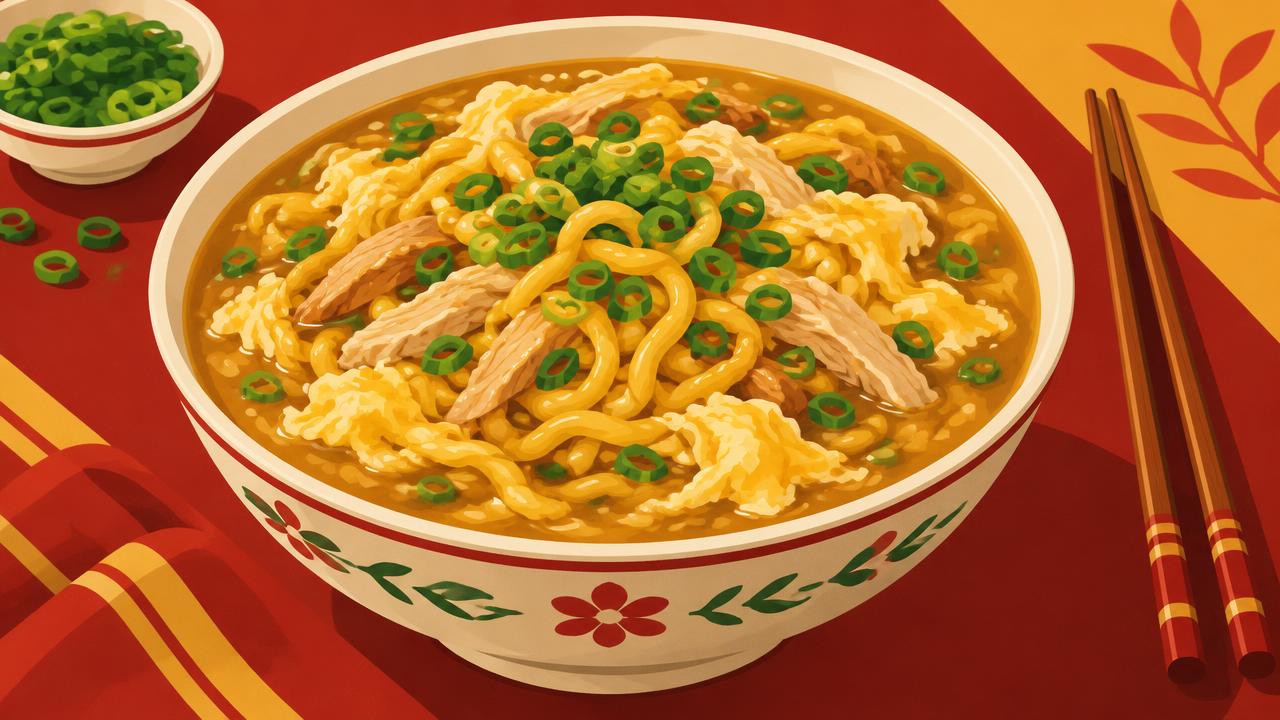
Quick Overview
- Prep time
- 15 minutes
- Cook time
- 25 minutes
- Total time
- 40 minutes
- Servings
- 4 servings
- Difficulty
- Easy
- Cuisine
- Filipino
Pancit lomi occupies a special place in Filipino comfort food: it's thicker, heartier, and saucier than most other pancit varieties, closer to a noodle soup-stew hybrid than a dry stir-fried noodle dish. Where pancit canton or pancit bihon are tossed with just enough sauce to coat, lomi swims in a glossy, cornstarch-thickened broth that clings to thick, chewy egg noodles and gets slurped up spoonful by spoonful.
This dish is a staple on rainy days and in noodle houses across Luzon, and it's also one of the most forgiving recipes to adapt — the broth base welcomes whatever protein and vegetables you have on hand. Once you understand the basic sequence, you can make a pot of lomi in about 40 minutes using a single pot and minimal cleanup.
Chef's Notes / Key Takeaways
- ▸Fresh, thick lomi noodles hold their bite better than thin egg noodles and are essential to the dish's texture.
- ▸A cornstarch slurry gives the broth its signature glossy, slightly thick consistency, similar to a light gravy.
- ▸Building flavor in layers — sautéing aromatics, browning pork, then adding stock — creates a deeper broth than simply boiling everything together.
- ▸A raw egg swirled into the hot broth right before serving adds richness reminiscent of egg drop soup.
- ▸Toppings like fried garlic, scallions, and boiled quail eggs are traditional finishing touches.
What Makes Lomi Different From Other Pancit Dishes
The defining feature of pancit lomi is its noodle: thick, fresh egg noodles with a springy, almost udon-like bite. These noodles are specifically made for lomi and are typically labeled as "lomi noodles" at Asian grocery stores. If you can't find them, fresh udon noodles are the closest substitute in thickness and chew, though they lack the slight eggy flavor of true lomi noodles. Avoid substituting thin bihon or canton noodles — they'll turn mushy in the thickened broth rather than holding their structure.
The second defining feature is the broth itself. Unlike drier pancit varieties, lomi's broth is thickened with a cornstarch slurry until it reaches a light gravy consistency, thick enough to coat a spoon but still pourable.
Layering Flavor in the Broth
The biggest difference between an average pot of lomi and a genuinely flavorful one is how the broth is built. Rather than dumping everything into water at once, start by sautéing garlic and onion in oil until fragrant, then browning the pork before adding any liquid. This browning step, sometimes skipped for the sake of speed, creates fond on the bottom of the pot that dissolves into the stock and adds a roasted depth that plain simmering can't replicate.
| Stage | What Happens | Why It Matters |
|---|---|---|
| Sauté aromatics | Garlic and onion cooked in oil | Builds aromatic base |
| Brown the pork | Pork seared before adding stock | Adds roasted, savory depth |
| Simmer with stock | Pork tenderizes in liquid | Infuses broth with meat flavor |
| Thicken with cornstarch | Slurry stirred in at the end | Creates signature glossy texture |
Ingredients
- 1 lb (450g) fresh thick lomi noodles (or fresh udon as a substitute)
- 1/2 lb (225g) pork shoulder or pork belly, thinly sliced
- 1/4 lb (115g) shrimp, peeled and deveined
- 4 cloves garlic, minced
- 1 small onion, chopped
- 6 cups pork or chicken stock
- 2 tablespoons soy sauce
- 1 tablespoon fish sauce
- 1 cup shredded cabbage
- 1 medium carrot, julienned
- 3 tablespoons cornstarch mixed with 1/4 cup water
- 2 eggs, lightly beaten
- 4 boiled quail eggs, halved (optional)
- 2 tablespoons vegetable oil
- 2 green onions, sliced, for garnish
- Fried garlic bits, for garnish
- Ground black pepper, to taste
Method
- If using fresh lomi noodles, briefly rinse under warm water to loosen the strands and set aside; no pre-boiling is needed since they'll finish cooking in the broth.
- Heat oil in a large pot over medium heat and sauté the garlic and onion until fragrant and translucent, about 2 minutes.
- Add the sliced pork and cook until lightly browned on the edges, about 4-5 minutes.
- Pour in the stock, soy sauce, and fish sauce, then bring to a gentle boil and simmer for 10 minutes to let the pork tenderize and flavor the broth.
- Add the carrot and simmer for another 3 minutes until slightly softened.
- Stir in the shrimp and cook for 1-2 minutes until just pink, then add the cabbage and cook for another minute.
- Give the cornstarch slurry a quick stir and pour it into the simmering broth, stirring constantly until the broth thickens to a light gravy consistency.
- Add the lomi noodles directly into the pot and simmer for 3-4 minutes, stirring occasionally, until the noodles are tender and have absorbed some of the broth.
- Reduce heat to low, then slowly drizzle the beaten eggs into the pot in a thin stream while gently stirring to create soft egg ribbons.
- Ladle into bowls, top with quail eggs, green onions, fried garlic, and a crack of black pepper before serving hot.
Lomi is one of the few noodle dishes where a slightly too-thick broth is a happy accident — it just means more sauce clinging to every noodle strand.
Common Mistakes
The most common mistake is adding the cornstarch slurry directly from the container without pre-mixing it with cold water — this creates lumps that never fully dissolve into the broth. Always mix cornstarch with cold water first, stir it again right before adding (it settles quickly), and pour it into simmering, not boiling, liquid while stirring constantly.
Another mistake is adding the noodles too early or letting the pot sit too long after they're added — thick lomi noodles keep absorbing broth even off the heat, so if you're not serving immediately, keep a little extra hot stock on hand to loosen the dish before ladling it out.
Serving and Variations
Pancit lomi is traditionally topped with sliced boiled quail eggs, a drizzle of calamansi, and fried garlic for crunch. Some regional versions add sliced liver, chicharrón, or squid balls for extra texture. Leftovers can be refrigerated for up to 2 days; when reheating, add a splash of stock or water since the noodles will have thickened the dish further in the fridge.
Whether you're making it for a rainy afternoon or a quick weeknight dinner, pancit lomi delivers a satisfying, slightly indulgent bowl that's substantial enough to be a meal on its own.
Related recipes
- What Is the Difference Between Manapua and Steamed Pork Buns?
Manapua and steamed pork buns both trace back to Chinese char siu bao, but they've evolved into distinct dishes with their own size, texture, and place on the plate. Understanding the difference means understanding how Hawaii reshaped an immigrant dish into something entirely its own.
- Vietnamese Pho Herbs and Garnishes
A practical guide to the fresh herbs, citrus, chiles, and sauces served with pho, plus how to use each garnish without overwhelming the broth. The guide explains the essential choices, common mistakes, and useful variations in clear practical terms.
- What Is Korean Barbeque Marinated In?
Korean barbecue's signature sweet-savory flavor comes from marinades built on soy sauce, garlic, sesame oil, and often pureed fruit as a natural tenderizer. Understanding these building blocks lets you customize marinades for beef, pork, or chicken with confidence.