
Cooking Frozen Salted Mackerel
4 min read
Quick Overview
- Prep time
- 10 minutes (plus thawing)
- Cook time
- 10 minutes
- Total time
- 20 minutes (plus 1-8 hours thaw time)
- Servings
- 2-3 servings
- Difficulty
- Easy
- Cuisine
- East Asian
Salted mackerel is one of those ingredients that looks intimidating in the freezer aisle but turns out to be one of the easiest fish dishes you can make once you understand the process. Common in Japanese, Korean, and Chinese kitchens, saba shioyaki-style mackerel is salted and frozen to preserve its rich, oily flesh, which means most of the "cooking skill" required is actually in the thawing and desalting stage rather than the stovetop stage itself.
I keep a bag of these fillets in my freezer at all times because they are one of the few proteins that go from frozen block to a genuinely good dinner with almost no active effort. The trick is patience: rushing the thaw or skipping the desalting soak is what leads to fish that tastes overwhelmingly salty or has a mushy, waterlogged texture.
Chef's Notes / Key Takeaways
- ▸Thaw salted mackerel slowly in the refrigerator rather than at room temperature to preserve texture.
- ▸A brief soak in cold water or milk pulls out excess surface salt before cooking.
- ▸Pat the fish completely dry before pan-searing so the skin crisps rather than steams.
- ▸Medium heat with a light coating of oil prevents the exterior from burning before the inside cooks through.
- ▸Salted mackerel pairs naturally with steamed rice, pickled vegetables, and a squeeze of citrus.
Understanding Why Mackerel Is Salted and Frozen
Mackerel is an oily, fast-spoiling fish, so salting draws out moisture and inhibits bacterial growth, extending shelf life significantly. Freezing after salting locks in that preservation while keeping the fish ready to cook on short notice. This is why you'll find salted mackerel sold frozen in most Asian grocery stores rather than fresh in the fish case — it is designed as a pantry (freezer) staple, not a same-day catch.
The tradeoff is that the salt concentration on the surface can be quite intense, especially near the skin. That's why a short desalting soak before cooking makes such a noticeable difference in the final dish.
The Right Way to Thaw
Never thaw salted mackerel at room temperature or in hot water — both approaches encourage uneven texture and can push the fish into the temperature danger zone before it's fully thawed. Instead, transfer it to the refrigerator the night before you plan to cook, allowing 6-8 hours for standard fillets and up to 12 hours for thicker whole pieces. If you're short on time, a sealed bag submerged in cold water on the counter will thaw a fillet in about 45-60 minutes, with the water changed every 15 minutes to keep it cold.
| Thawing Method | Time Needed | Notes |
|---|---|---|
| Refrigerator | 6-8 hours (overnight) | Best texture, most reliable |
| Cold water bath | 45-60 minutes | Change water every 15 minutes |
| Room temperature | Not recommended | Uneven thaw, food safety risk |
Desalting Before You Cook
Once thawed, rinse the fillets and soak them in cold water for 15-20 minutes. Some cooks use a mixture of water and milk instead, since the casein in milk binds to compounds that cause fishy odors while also softening the saltiness. Either method works; just be sure to pat the fish thoroughly dry afterward, since any remaining surface moisture will cause the fish to steam rather than sear in the pan.
Cooking Methods Compared
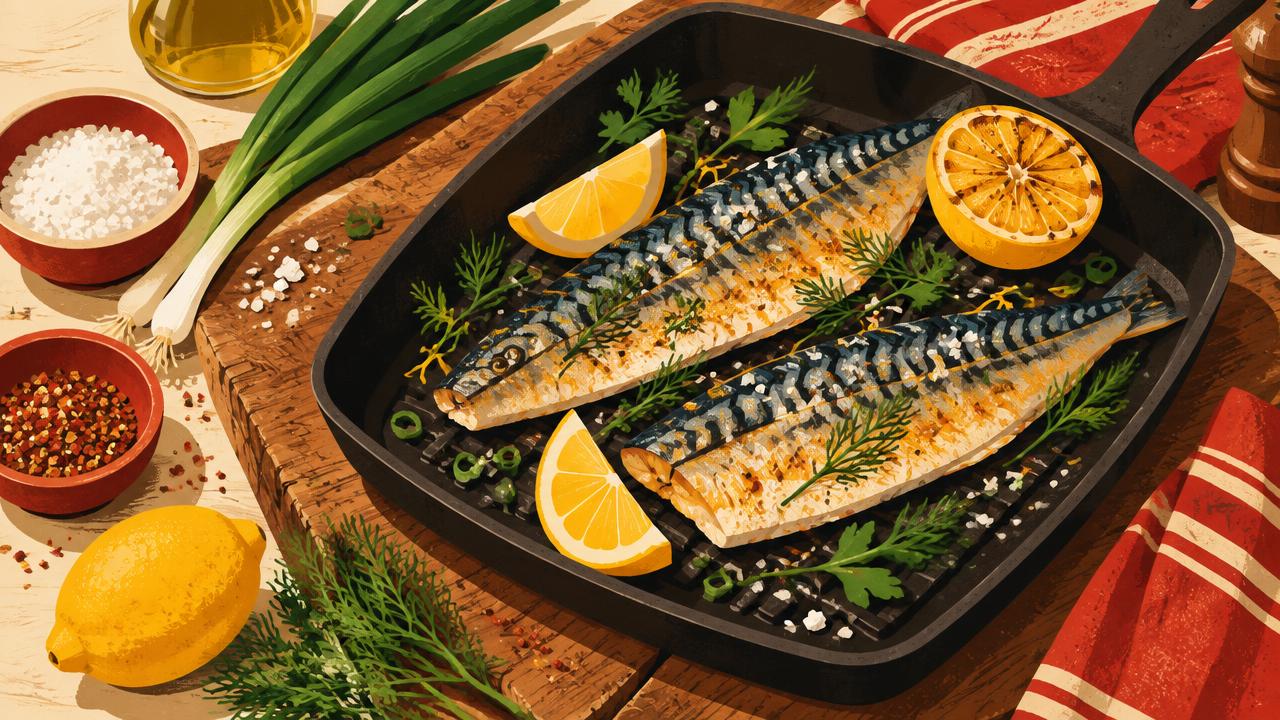
Pan-searing is my preferred method for weeknight cooking because it produces crisp skin with minimal cleanup, but grilling and broiling are also excellent, especially if you want that slightly charred, smoky finish typical of Japanese shioyaki-style preparations.
- Pan-searing: Medium heat, skin-side down first, 4-5 minutes per side depending on thickness.
- Grilling: Medium-high direct heat, skin-side down, about 4 minutes per side; oil the grates well to prevent sticking.
- Broiling: Position the rack 4-5 inches from the heating element, broil skin-side up for 6-8 minutes, watching closely to avoid burning the salted surface.
The secret to salted mackerel isn't the cooking at all — it's respecting the thaw and giving the salt somewhere to go before the fish ever touches the pan.
Common Mistakes
The most common complaint about salted mackerel being "too salty" almost always traces back to skipping the desalting soak or cooking straight from a fast, hot thaw. The second most common issue is overcrowding the pan or flipping the fish too soon — mackerel skin needs those 4-5 undisturbed minutes to release naturally; if you try to flip early, it will tear and stick.
Finally, avoid cooking over high heat. Because the fish is already seasoned and somewhat dense from salting, high heat browns the surface before the interior has a chance to cook through, leaving you with a burnt exterior and a cold center.
Serving Suggestions
Salted mackerel is traditionally served alongside a bowl of steaming short-grain rice, a side of pickled radish or kimchi, and a simple miso or seaweed soup. A squeeze of lemon or calamansi cuts through the richness of the fish's natural oils. Leftover mackerel flakes beautifully into fried rice or rice porridge the next day, so it's worth cooking an extra fillet if you're already at the stove.
Once you've made this a couple of times, the process becomes almost automatic: thaw overnight, soak briefly, dry thoroughly, and sear. It's a humble dish, but done properly, it delivers restaurant-quality flavor from a freezer staple that costs a fraction of fresh fish.
Related recipes
- What Is the Difference Between Manapua and Steamed Pork Buns?
Manapua and steamed pork buns both trace back to Chinese char siu bao, but they've evolved into distinct dishes with their own size, texture, and place on the plate. Understanding the difference means understanding how Hawaii reshaped an immigrant dish into something entirely its own.
- Vietnamese Pho Herbs and Garnishes
A practical guide to the fresh herbs, citrus, chiles, and sauces served with pho, plus how to use each garnish without overwhelming the broth. The guide explains the essential choices, common mistakes, and useful variations in clear practical terms.
- What Is Korean Barbeque Marinated In?
Korean barbecue's signature sweet-savory flavor comes from marinades built on soy sauce, garlic, sesame oil, and often pureed fruit as a natural tenderizer. Understanding these building blocks lets you customize marinades for beef, pork, or chicken with confidence.